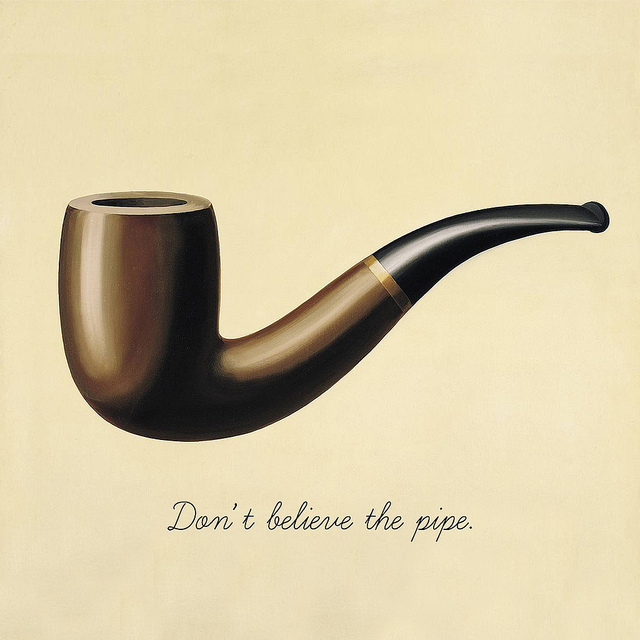
Yep, I peed on the side of the road tonight

So I went out tonight and had a few beers and more importantly, hung out with actual real people. See, there is hope for me yet.

Why, though, is it that whenever I become attracted to someone they happen to be married??

This morning I started humming something in the shower until it started to sound like a song I knew. I get into my car, start to drive away, and the very first new song to play on my iPod is that exact same song. Pretty impressive, considering there are almost 7,000 songs on there.

My district manager the other day saw me do the show, and I expect the normal, “You do a good show” or “Good job” or whatever other bullshit you can think of. What I didn’t expect was “If everyone did the show like you do, you wouldn’t have any problems at the store.” What a compliment! I didn’t really know how to respond.

Boy was my mom pissed at something tonight. I just happened to walk in at the wrong place/wrong time.

So much more pointless crap to say…….

Posted in Uncategorized | Leave a comment

Things I saw driving into Albany:

In front of a fire house:

Money talks, but all mine says is GOODBYE.

I love the sarcastic bitterness in that.

In front of a church:

Christians keep your faith, but not from others.

Hello? Christians? Why don’t we remember some of those Christian values I keep talking about every week!

And my personal favorite, outside of a self storage building in downtown Albany:

ELF STORAGE

(The S fell off.)

Posted in Uncategorized | Leave a comment

So Lucas finally broke down and is releasing the original Star Wars trilogy the way we actually remember it, and want to remember it, on DVD. Makes me really wonder if it was fan demand or pure greed that made him change his pretty little mind.

Posted in Uncategorized | 2 Comments

So Sad

Alright folks, you know you’ve jumped the shark when you get all excited about surge protectors. I mean, come on! Surge protectors.

Granted, they are really nice surge protectors.

But still! I’m ashamed to look myself in the eye.

(PS: What the hell just happened on Lost?)

Posted in Uncategorized | 1 Comment

It’s the small things in life that make us happy.

One of my delightful weird little quirks is that I love reading the message boards outside of churches and firestations. Every time I drive by one I have to check to see if they’ve changed the message from the last time I drove by. I think they are hilarious. My sister shot me an odd glance when I told her that. I’ve got a weird mind.

Anyways, today I saw one in Brunswick that said: “Please everyone and you please no one.” Huh? That doesn’t make any sense. Of course I know that it is supposed to read: “Try to please everyone and you please no one.” That makes sense. But if you please everyone, why don’t you please anyone? How can everyone be pleased and not pleased at the same time? They’ve created a syntax nightmare! Philosophically, that statement opens a whole new can of worms. For instance, if you pleased everyone and yet no one was pleased, does that mean that no one can ever be pleased? Or does it mean that the only way you can be pleased is if everyone else isn’t pleased? Do we take pleasure in others displeasure? Is that what it is asking?

Like I said, I’m a weird guy.

Posted in Uncategorized | 2 Comments

The Monday Movie Review (PART THREE)

While checking out eBay and trying to make a decision on whether or not I should buy a bootleg DVD of a kung fu movie I really want to see (while not completely trusting the seller), I made the final touches on my last movie reviews of the week, finally catching up to where we should be chronologically. Yeah! To save you all from wading through pages of reviews on your friends’ page you can find that mighty effort after the jump cut. But before we get there, a little preview.

Let’s see, this week we have a 1950’s woman’s weepy, All That Heaven Allows, and its 1974 German remake, Ali: Fear Eats the Soul. At the theaters I previewed for you folks Thank You for Smoking. For those who love their Korean movies revenge filled and their horror movies scary, I give you A Bittersweet Life and the original The Hills Have Eyes, respectively. Fans of early Peter Weir work should see The Year of Living Dangerously, while those curious about the next addition of the Masters of Horror series, directed by John Carpenter, should check out Cigarette Burns. And finally I have my second opinions on two of last year’s biggest films, King Kong and The Chronicles of Narnia: The Lion, the Witch, and the Wardrobe. Happy reading!

(April 17)

——Ali: Fear Eats the Soul (1974)——

Part of the German New Wave of the 1970’s, Rainer Werner Fassbinder’s Ali: Fear Eats the Soul is a beautiful and touching remake of the 1955 Douglas Sirk movie, All that Heaven Allows (see review for that film below). Where the original simply had a slight age and class difference between the two leads, Fassbinder takes that even further by making the difference in ages even greater and also making them of different races. I should stop here. I’m probably confusing those who haven’t read the review of All that Heaven Allows yet.

A widow cleaning woman in her 60’s stops off in a small bar to get out of the rain. The bar is mostly inhabited by Arab immigrants that immediately notice an outsider from German society in their sanctuary. The others tell one of the men, either in his late 30’s or early 40’s, that he should dance with her. He’s reluctant at first, but the two share some common bond that links them together almost instantly. He walks her home and once there she invites him to spend the night. They are very much in love, and soon enough they want to get married.

As you probably have already guessed, things don’t go so well for them after getting married. The really profound part of this movie, and what makes it truly unique from the Sirk film, is that once they get over society’s prejudices and society finally accepts them, they then have to get over their own inner prejudices. You don’t really expect that part of the movie, but it is truly honest to what would actually happen to two people in that sort of relationship. Fassbinder works with a great screenplay and amplifies all of the emotions with his camera setups. It seems like almost every shot is constructed with someone on the outside, with the others looking on or away from them. Distances between people are exaggerated. Objects are placed in front of the camera between the different parties. Everything about the film dramatizes this separation. I really loved this film. Everyone should really check it out.

(MUST SEE)

(April 18)

——Thank You For Smoking (2006)——

Some people are going to love this movie (like me). Others will probably hate it (or at least not buy into it). I think that all depends on your opinion of the films general argument, which is that to win an argument you don’t actually have to prove anything other than that the other person is wrong. Our main character in this is a lobbyist for the big tobacco companies whose job it is to put a positive spin on smoking so that more people pick it up. As his boss tells them, they have the perfect product. It practically sells itself. Except with all of the new health risks of smoking in the news, less and less people want to risk death to look cool. That’s where our protagonist comes in.

You’ve got to admire the balls of this satire. I, myself, am a fervent anti-smoker, but at times I found myself smiling and nodding my head along with his persuasive arguments. That’s not to say I agree with them, just that he argues things so well that you can’t well admit he is wrong because you can’t find a flaw with his misleading logic. That he avoids the actual issues is beside the point.

I thought this was really funny and was probably the most fun I’ve had at the theater since The Matador. Anyone who caught a trailer of this and thought it looked fun should definitely check this one out.

(SEE)

——A Bittersweet Life (2005)——

I actually watched this on a good ol’ bootleg DVD because this Korean film isn’t actually out in the United States yet. You’ve got to love those Koreans (and you’ve got to love eBay). Somehow they are managing to put out some of the most impressive cinema in the world in recent memory. A lot of it just happens to be revenge movies. And while this is no Oldboy, I think any fan of the genre will be really impressed with this effort nonetheless.

Read that title again. Read it yet? OK. I think you’ve now got a good idea of what this film is going to be like. Now let me tell you what it is ABOUT. Sun-woo is a mob enforcer. He’s good at what he does. He’s a true professional. Quiet, clean cut, kick ass. His boss works out of a posh hotel and one night Sun-woo is called down to take care of some drunks who won’t leave. That’s not his job. It’s the Korean Shemp’s job (sorry, inside joke). He of course kicks the shit out of them because that’s his job. One of them just happens to be the son of another mobster…

Meanwhile, his boss Kang asks him to watch over his younger girlfriend/professional cellist while he goes out of town. He thinks she is taking up with another guy. If she is, Kang wants Sun-woo to take care of it. Of course she is. And of course he happens to fall in love with her in the process, even though the feelings aren’t reciprocated. That’s the part I found most interesting. Normally the two would fall in love and fight the world together. Not in this movie. This is more about an empty shell of a man, like molded clay, come into his own and finally feel some real emotion. That’s the sweet part. Of course you already know that I told you that this is a revenge movie… That’s the bitter part.

I won’t spoil anymore of the plot except to say put the pieces together and you can figure out the rest of the movie. It’s a formula you’ve seen before. Some of the details are different though. Like, what happens when a guy tries to shoot people when he isn’t really that comfortable with firing a gun? Along with the beautiful direction it is all of those little details that really made me enjoy this film. Every time you expect the movie to follow the norm and zig it makes a little zag. It’s not a 100% success, but it is unique enough that I really do think this movie is worth searching out.

(SEE)

(April 20)

——Masters of Horror: Cigarette Burns (2005)——

The only thing I don’t like about this John Carpenter (Halloween, The Thing) helmed episode of the Masters of Horror series is the clean glossy television cinematography that just makes everything look too neat. It was also a problem in Dreams in the Witch House. Horror shouldn’t look clean, unless its cleanliness is what is suppose to be scary. Horror, more than any other genre benefits from grit and grain in the film. Somehow by making things more artificial you are making the experiences more real in your mind. It reminds you of a home movie. But enough about the cinematography. What about the film?

This is absolutely a writer’s horror film. The script was done by none other than Moriarty of Ain’t It Cool News, whose DVD blog I check quite frequently for new movie reviews, and it shows. The plot is pure movie geek. Kirby is a movie programmer whose specialty is finding rare prints of films thought to be lost for collectors. One such collector asks him to find a film thought to have been lost forever, a film called Le Fin Absolue Du Monde, which is said to have caused people to fly into a homicidal rage after having seen it. As Kirby gets closer to the film he finds out how hellish the movie is, in that it is already starting to effect him before he’s even seen it, searing images into his brain through a “cigarette burn” those little rings in the corners of film that tell the projectionist when to change to the next reel. The movie is pure evil, but will Kirby’s curiosity force him into watching something he shouldn’t?

The film is quite clever and constantly keeps you in suspense as to what the actual film is really about. Thankfully John Carpenter makes the wise decision to show as little of the cursed film as possible, instead focusing our attention on how it effects those who watch it. That makes the whole thing a lot scarier and helps them from having to make a film that can’t be made, one that actually drives you crazy. That’s the problem with the Ring. Once you see the film it’s really not all that scary. I’d check this one out if you a horror fan (or just a film fanatic).

(SEE)

(April 21)

——King Kong (2005)——

My first experience with King Kong was one of my worst movie-going experiences ever. Not that it had to be. I was really pumped to see it. I had just seen the original and thought it was brilliant and couldn’t wait to see what Peter Jackson had done with all of those new special effects. I was so excited that I rushed to see it opening night in Bennington. Big mistake. The crowd was just filled to the gills with assholes. I wanted to kill someone as I walked out of the theater. Had anyone said a word to me, I probably would have hit them. While I got some time in between the first and second time I saw it in the theater, this time with my sister at Crossgates, the wounds were still too fresh and hadn’t healed. I could still remember what stupid thing the guy in front of me said at this moment and what inappropriate laughter emanated from the stoned high schooler behind me at that moment. I didn’t have the best impression of the movie, unfortunately.

Finally those wounds have healed. Thankfully my home system is good enough to bring a little bit of that theater experience home with me. And at last I think I really enjoyed watching King Kong. Granted, it’s not a perfect movie. Everything with little Jimmy, the most annoyingly unimportant and completely unnecessary character in the history of cinema could be cut from the film, and not a thing would be missed. But otherwise, for the most part, everything really works. And I was amazed at all of the little details I had missed before because I was so angry at the ignorance of those around me. Most notably, I missed the little touch of Kong biting out the tongue of the final T-Rex and spitting it out in the middle of their fight. That was pretty cool. The special effects in this film are just astounding. Everything with Kong in it should be must see viewing for anyone who wants to make a special effects movie. It’s just stunning. Finally, this movie is for me

(MUST SEE)

(April 22)

——The Chronicles of Narnia: The Lion, The Witch and the Waredrobe (2005)——

If you haven’t seen this yet then, well, you’re probably one of the four people in the world now that that’s true for. So say you haven’t seen it yet. What have you been missing? Watching Narnia again I was impressed with how well the film still stood up. I don’t think anyone expected how good it was going to be before they actually saw it, and watching it again I don’t think that was a fluke. Everything is well put together from the core out. The child actors can actually act, especially the little girl who just pulls the whole film together. The special effects are fantastic. I remember reading one review before I saw the movie that said that they didn’t believe for a second that the children were acting with the animals. That’s just crazy talk. The only people who would think that are people who don’t want to believe that a beaver can talk in a British accent. The direction is pretty spot on, too. This is just simple effortless storytelling. Nothing flashy. Andrew Adamson does a magnificent job of pulling the wonder out of every situation, not just the gigantic battle scenes but all the way down to the simple talking scenes that are the actual glue that holds a film together. It’s no wonder that this film did so great at the box office. If you are one of those people who haven’t seen it yet, I think you now owe it to yourself to give this one a look-see. My dad even made mention after watching it that he didn’t expect it to be nearly as good as it was before he started watching it.

(SEE)

——The Year of Living Dangerously (1982)——

Peter Weir is an Australian filmmaker that I have only just recently really discovered. He’s made some really impressive films though, a lot of which you’ve probably never heard of before. Gallipoli was the last one of his I saw that really spoke to me, about an Australian runner who joins up with the Army during World War I to seek glory, and only finds the horror that war brings you. Gallipoli isn’t really a battle that most people know about though, much like how the revolution in Indonesia in 1965 isn’t a news event we’re all really all that aware of.

That story is told to us through the eyes of a very young Mel Gibson playing a very young reporter on his first international detail and eager to make a big impression. At first he is lost until he meets Billy, a half Australian, half Chinese dwarf who knows everyone and sees in Gibson a caring man who could make a difference in these poor people’s lives by getting the rest of the world interested in his plight. In the meantime he meets a very hot Sigourney Weaver and begins an affair with her, only to betray her confidence and use an inside story to get a scoop, a move that doesn’t impress either Weaver or Billy. As the world starts to come apart around him, Gibson has to decide where his priorities are.

The film is intensely interesting and very well made. The DVD print quality could use a little work, but hey, beggars can’t be choosers, right?

(SEE)

(April 23)

——All That Heaven Allows (1955)——

This was my first Douglas Sirk movie and I picked up this one to watch first because I knew that it had influenced Ali: Fear Eats the Soul, which I enjoyed immensely. I’m already a fan of Sirk’s style. He’s best known for taking so-called “weepy woman’s film” melodrama and making it into serious art, and that couldn’t more be the case in this film. In it, Jane Wyman plays a recent widow looking for a new husband but unsatisfied with her options late in life. She can either marry an older man just looking for companionship over actual love, or she can accept her fate as the lonely house widow whose best friend is her television set. In walks into her life Rock Hudson, not your typical suitor. First of all, he’s a lot younger than she is. Also, he’s her gardener. Then there is the whole, What will everyone else think? thing. But above it all they develop and honest and real love for each other. It’s only when they start to tell her friends and children that things take a steep trip downhill.

What really elevates this film beyond its melodrama roots is Sirk’s rich visual style. He filmed this one in Technicolor and damned if he didn’t get every penny’s worth out of those colors. Many scenes, especially those at Hudson’s old mill, turned house look straight out of a painting. I loved how he played with the light too. One of my favorite scenes is where the two of them are standing together in his picture window with the light bouncing off of the snow outside. From living out in the country in Upstate NY I know how beautiful it looks at night when a full moon bounces off fresh snow, and Sirk captures that look perfectly. I can’t remember the last time I’ve seen another filmmaker use that kind of light. It’s kind of amazing. If you haven’t already guessed, this is

(MUST SEE)

——The Hills Have Eyes (1977)——

I was a little worried that I was watching this film too soon after seeing its recent remake. Sometimes watching the remake too soon after seeing the original (this is if you haven’t already seen the original before) can ruin the experience of watching the original because you know too well what to expect. I had this experience with The Longest Yard. I’m sorry. I like the new one better. Shoot me.

Luckily I didn’t have that problem with Wes Craven’s The Hills Have Eyes. You know why? Because the original works and the remake doesn’t. Aside from a few pretty set pieces the remake was instantly forgettable. No such problem with the original. Also, what’s the deal with crap horror movies making their protagonists annoying as hell? Why should I care about that character? The remake had a bunch of annoying, bickering family members as its main characters. The original has characters that feel more real, like a real family that would be able to drive across the country together in a trailer without killing each other. The whole point of the movie is suppose to be that one family joins together to keep the other family from killing them. You don’t get the family dynamic–in either family for that matter–in the remake.

The key though, above all other things, is that this one is scary, the other one is just gross. The suspense is built up better. The scares are more authentic and not forced. The scariest thing about this though, and this reminds me of my favorite horror movie, Texas Chainsaw Massacre, is the scenes where the normally sane people go insane. The scene where the younger sister goes almost batty with joy after they blow up the trailer is just brilliant. Here is a normal girl who has been terrorized beyond comprehension and is now almost euphoric to see that she’s killed another human being. Also great is the final scene, which ends in a blood red freeze frame. In it the father is stabbing the man who stole his baby repeatedly even though the man is already dead. Never has a closing freeze frame been used so effectively since The 400 Blows.

(MUST SEE)

Posted in Uncategorized | Leave a comment

God work sucks lately.

Oh man, I’ve been going crazy lately. Traffic at the store is still slow as hell. I think we saw 6 people today walk through the doors. Boring! Since I didn’t get my new Streets album last night I called in at 9:30 requesting the new song on EQX. Three calls later I finally heard it at 2:55. Question: Why do they ask your name and where you are if they aren’t going to say it live on the radio?

Just so that fate could spit on a bad day, I get home and guess what? No new Streets album yet. WHAT?! Where the hell is it? I’m about to go postal at work.

Posted in Uncategorized | Leave a comment

It’s common sense, simple common sense.

Oy, today sucked.  We didn’t see our first customer until 2:50.  Less than ten all day!  No one bought anything.  What a joke of a day.  On top of that I get home and still no new Streets album!  What the hell?  Damn thing shipped Saturday.  Where the hell is it?  I’m tiding myself over right now by going over the old stuff.

Sorry I take up all of your Friends list with my reviews.  Glad at least someone’s reading them!

Any other America’s Next Top Model fans in the house?  Not too sure why, but it is TV gold.

Posted in Uncategorized | 3 Comments

The Monday Movie Review (Part TWO)

This is the week I had off for vacation. As you can see, I saw (of course) a lot of movies in that week. Enjoy!

(April 10)

——Giant (1956)——

Like Texas, this movie is epic; a story about an Eastern girl who marries a Texas cattle millionaire who has to learn how to get with the times. The Eastern girl is Elizabeth Taylor who ditches her fiance to run off with the mysterious Texan (Rock Hudson) who has come to her home to buy her horse. Life isn’t easy at first for them. She has to get used to the stark Texas landscape and the jealous sister of her husband. Then there is James Dean, a trouble prone cowhand who inherits a worthless piece of land that just happens to sprout oil, making him the richest man in Texas. Hudson doesn’t like the direction oil is taking things and only reluctantly gets into the oil game when he has no other choice.

You probably wouldn’t guess it from the first two hours or so but the film is really about racism and intolerance, as Rock Hudson learns slowly through Elizabeth Taylor’s kind actions and their son’s marriage to a Mexican that being a bigot isn’t exactly the coolest thing to be. Giant is about an old-school Texan learning what it is like to grow up and what it really means to be a man. It isn’t a movie I’d ever write home about, but it is entertaining enough in its own way to merit a viewing.

(SEE)

——Dog Day Afternoon (1975)——

I hadn’t seen this movie in a few years (it was actually one of the first DVDs I bought) so it was fun to revisit the new Two-Disc Special Edition that Warner just put out as part of its second Controversial Classics collection. If you haven’t already seen this movie you should really check it out, because it really is a classic of the genre, even recently being referenced in this year’s Spike Lee film, Inside Man. Al Pacino and director Sidney Lumet have never been better and the movie still pops and seems as fresh today as it did back when it was originally released.

For those who don’t know, Dog Day Afternoon is about a real bank robbery that went wrong in Brooklyn, where the crooks had a standoff with the cops for hours as the media caught every minute of it. Instead of being about the actual robbery like most of these films seem to be, the majority of the film takes place afterwards while Pacino and his accomplice (played by the always impressive John Cazale) try to think their way out of their hopeless situation. Luckily for the most part the cops are just about as clueless as they are, which keeps the situation dragging on long into the night. The movie is funny and tense and deep with character. The acting is just great. If you haven’t seen this one yet, what are you waiting for?

(MUST SEE)

(April 11)

——Lucky Number Sleven (2006)——

A bit of fate led me towards seeing this instead of Thank You for Smoking, which I’m grateful for since I probably wouldn’t have seen Lucky Number Sleven otherwise while I definitely would have (and did) seen Smoking. This is one of those movies that just surprised me how good it was. Granted, the movie does lose a little bit of steam in its final act as it attempts to explain the first half of the story (most of which a careful viewer, like myself, has probably already guessed). But that didn’t stop me from really getting into this clever, fun modern noir.

Josh Hartnett is Sleven, a guy with a condition that allows him to feel no anxiety, who happens to get mistaken numerous times for someone he isn’t. In the meantime he gets caught in a gang war between two old mobsters who used to be friends but now want to kill each other. He’s supposed to kill the Rabbi’s son for the Boss, while getting a bunch of money for the Rabbi. Meanwhile, Bruce Willis plays a hitman lurking in the shadows who has something to do with all of this.

Now you better not get blogged down in the plot, because if you do you’ll probably be disappointed by it’s “so-clever-it’s-too-clever-by-half” as Owen Gleiberman put it, story line. Instead you should dig into the character work done by the main actors, all of whom chew the scenery like pros. Best is Hartnett’s relationship with the literal girl next door, Lucy Lu, something I was dreading going into seeing the film but actually delivers with some of the best on-screen chemistry I’ve seen between two actors in quite some time. Their lines really pop between each other and Lu is just fantastic. It’s not quite must see, but I really do think you all should see it. This is one of those looked over gems.

(SEE)

——2001 Maniacs (2005)——

The premise of this horror flick sounded full of promise. A small Southern town puts up a false detour sign in the middle of the road to lure unsuspecting Northerner coeds on their way to spring break to their annual festival. At that festival they kill the Northerners in various gruesome ways so that they can eat them. Plenty of nudity, comedy and violence to go around. Sounds great, right? Well, not in this case. This movie is plagued with bad acting, bad writing, bad directing, bad everything. One question for all of you crap horror film directors out there: Why the need to make your protagonists as annoying as possible? Seriously, when none of your main characters are redeemable in the slightest what’s to make us care whether they live or die? Better yet, what’s to make us care about how they die? Every line in this movie is either lame, cliché, or ripped off from another (famous) film. The acting is criminal. And the two remaining factors that can save any horror movie, the gore and the nudity? Well, the gore is nothing you haven’t ever seen before and not even handled very well, and ditto for the nudity of which there is more than your usual amount, but there just happens to be nothing erotic about it. Stay the hell away from this one.

(AVOID)

——Masters of Horror: Dreams in the Witch House (2005)——

Masters of Horror is a television series that ran on Showtime in which 13 of the best horror directors each made a short film about an hour long. This is one of the first released on DVD, by Stuart Gordon, most famous for doing the comic Re-Animator (like Dreams in the Witch House, based on a H.P. Lovecraft story). I wasn’t really all that impressed with this one. It feels a lot like your typical TV horror episode, abet with a lot more blood and nudity, thanks to Showtime’s looser standards.

The story concerns a physics grad student who rents the cheapest room he can find in an old rundown house, only to discover that it houses a wormhole to a parallel dimension in its walls from which a witch tells young men to kidnap babies so that they may sacrifice them to her. That’s really it. No big surprises. It’s well acted and the nudity was a bit of a surprise, but other than that there really isn’t anything special about this episode. I also don’t like that this feels like an episode of television instead of a stand alone movie. This one is only for the hardcore horror fans.

(MISS)

(April 12)

——Murmur of the Heart (1971)——

I’ll just steal a line from the back cover of this Criterion release: “Both shocking and deeply poignant, this is one of the finest coming-of-age films ever made.” And I agree with that. I was really shocked with just how good this film was, how fully realized the characters were written and acted, and how funny and yet real it was. The story is about the youngest of three brothers in an upper-middle class French family. Laurent is different from his two older brothers in that he isn’t quite the troublemaker they are, although he has his moments, and is quite smart and well read. He also happens to be the apple of his mother’s eye. The older brothers introduce him to sex, in their own cruel way, but the movie doesn’t really kick in until he gets the heart murmur of the film’s title. He then starts spending quite a bit of time with his mother, including going of to a health clinic/retreat where he meets some other like aged members of the opposite sex but manages to develop and extremely deep and mature relationship with his free spirited mother.

It’s hard to really summarize the plot any more than that because the film consists mostly of isolated episodes that add up to a greater whole. The ending will surprise you though, but beyond that the film is consistently great throughout. It’s very light and funny. I suggest to anyone that they should pick this up. This was my first Louis Malle film and I can’t wait to explore the rest of the recent Criterion boxset releases.

(MUST SEE)

——The Firemen’s Ball (1967)——

You can watch this movie as a comment on the inept Soviet Communist system of government in Czechoslovakia in the 60’s, or you could just watch it as a hilarious comedy about people and the silly things they do. The great thing about this Milos Forman film is that either way you want to see it, it works both ways.

The Fireman’s Ball is about a, well, fireman’s ball, in which the members of the firehouse want to present their elder chairman with a honorary fire-ax to reward his many years on the job. Of course it would have been better if they gave it to him last year on his 85th birthday instead of now, as they know he has fatal cancer, but at least good for him, he doesn’t know it. The ball itself is a delightful comedy of errors. To the embarrassment and horror of the firemen a table filled with prizes for the lottery they have organized is pilfered over the course of the night. A beauty contest is organized for the winner to present the fire-ax. None of the truly beautiful girls actually show up for it though, and once the actual event starts the girls scatter only for an overweight middle-aged woman to take the stage during the confusion and crown herself. And in the middle of the ball a fire breaks out. The firemen rush to the rescue but are unable to get their new fire truck out of the snow, so they ineffectively throw snow on the fire as the owner watches helplessly as his house burns down.

Milos Forman directs the film flawlessly and uses a cast of non-actors to bring a realism to the comedy that it definitely benefits from. A very interesting film, and extremely funny.

(MUST SEE)

——Clockers (1995)——

This is a Spike Lee Joint about “Clockers”, or to you, 24-hour drug dealers in Brooklyn. Mekhi Phifer is the title drug dealer who isn’t quite cut out for his line of work. Although he acts tough he isn’t really able to shoot anyone, and the anxiety of work has given him a bleeding ulcer that puts him in the hospital. Oh, and he also likes trains. When’s the last time you saw a gangbanger in the hood playing with trains?

This is one of Spike Lee’s more political movies about stopping the violence and how drugs beget violence and yadda, yadda, yadda. The film is extremely well shot and well acted, but the screenplay never really rises up with the rest of it. It’s pretty standard fair, and if you’ve seen one movie about stopping the drug violence in a black neighborhood you’ve seen this movie. It’s a nice effort from Spike but not really worth seeing.

(MISS)

(April 13)

——Three Colors: Blue (1993)——

While there have been numerous directors that have known how to expertly use black and white in cinema, much fewer directors have been able to do the same thing with color. Very few people actually effectively use different colors to tell a story. Luckily, Krzysztof Kieslowski’s Blue, the first of his Three Colors trilogy, has no such problem. The story is about a woman (played by Juliette Binoche) who loses her husband and child in a car accident and struggles to move on with her life afterwards. In her grief she decides to pull herself inward and remove all traces of her family by selling their house and possessions and moving into a small flat in Paris. As you can already probably guess the color in the film is used extremely well to signify to the viewer her inner feelings, the color most often used, unsurprisingly, is blue. It’s hard really to get into more detail of the plot other than by mentioning that her husband was a composer hired to write a piece for Europe that is left unfinished. What the world doesn’t know is that she was the one to polish (and perhaps create) all of his great music, and if the piece is finished by her the world will know. Pieces of that are played throughout the film and do such a great job of filling out what the color can’t. Great use of music and color. Check it out.

(SEE)

——The Big Clock (1948)——

Of the three major companies that have put out noir titles so far, Warner Brothers has put out the most classics, Fox tends to be very hit and miss, twisting the very definition of noir, and Universal has put out some of the most interesting noir films. The Big Clock is one of those Universal noirs and plays just like one of Alfred Hitchcock’s greatest suspense thrillers. Ray Milland is George Stroud, a hotshot crime reporter who prides himself on being able to find any man, but who is also extremely overworked by his time obsessed boss. George has yet to take his honeymoon with his wife because he has been so overworked and this time he is bound and determined to take that vacation even if it means he’ll be blacklisted forever. Unfortunately right before he is scheduled to leave he meets the boss’ mistress who wants to get back at her poor lover using George. The boss, thinking there is an affair going on, accidentally kills her though, and George gets sucked into finding out who was the last person to see her even though he knows it was himself. Thus there follows a race against the clock as George struggles to keep his team from finding out he was there before he can find the evidence to prove that it was in fact the boss who killed her.

Thrillers don’t come much tenser than this one, which benefits from great acting, writing and wonderfully expressionistic cinematography and art direction. I can highly recommend this one to you.

(MUST SEE)

(April 14)

——The Long Good Friday (1979)——

Any fan of gangster movies who think they’ve seen it all should check this one out, as it takes the familiar troupes of the genre and twists them just enough to make it interesting. Harold Shand (played brilliantly by Bob Hoskins) is the king of the London underground in control of everything. He’s about to make a big deal for casinos on the London waterfront when it all starts to go wrong. Top members of his organization start dying in car bombs and his best friend is stabbed in a pool locker room. Worse yet, no one knows what is happening or why it is all going on. Harold spends the majority of the film trying to figure out who has it out for him, torturing the usual suspects and bringing in all the rival gang leaders, but after all of this he still can’t figure out who is doing it.

The real driving force of the film is Harold’s growing frustration. Here is a man who is used to being in control and used to finding out what he needs to know, and yet neither of these things are true on this day. He can only watch in frustration as his men die and his merger falls apart. Finally it is revealed that while he was away someone upset the IRA and they think that he is responsible. The IRA is different than another rival gang. He can’t just take them out the usual way. Ideologies tend to live on long after their leaders die. The final scene is one of perfection, of Bob Hoskins’ slow burning rage and frustration. This is a different kind of gangster movie.

(SEE)

——Heaven Can Wait (1943)——

Great premise for a movie: A man on his way to heaven instead makes the trip to hell to convince a bemused Satan that he should be there instead of up above with all of his friends and family. Satan doesn’t have time at first, but when a real sinner comes down and greets Henry Van Cleve (Don Ameche) Satan takes an interest and agrees to hear his life story. Henry’s issue is that he hasn’t exactly been the model of “good” behavior in his life, living as a pamper rich playboy used to having a good time womanizing and getting away with it. That is until he meets Martha and marries her, even though she is supposed to be marrying his cousin.

Ernst Lubitsch takes that general premise and designs an extremely fun movie around it. What is wonderful about the movie is how even though Henry thinks that he has technically done wrong things, his intentions are so good and his love for Martha so pure that by the films end there isn’t any doubt in anyone’s mind (including Satan’s) that he should be up in heaven. Henry just doesn’t think he deserves to be happy because he doesn’t fit in with what society deems appropriate. The film is doubly interesting in that it covers Henry’s entire life over some of the greatest events in world history and yet never deals with a single issue outside of Henry’s closed circle, meaning Lubitsch has no interest in making any larger point about life other than that one should live life to be happy and make others happy.

(SEE)

(April 15)

——Mission: Impossible (1996)/Mission: Impossible 2 (2000)——

(Question to all of you: Which movie do you think is coming out soon in theaters that I was getting prepared to go see?)

I saw Mission: Impossible when it first came out and I have to admit that I didn’t like it much. At the time I found it way too confusing to follow what exactly happened on the mission that went bad and left Ethan Hunt alone, trying to find a way to clear his name. I was also a little upset that they killed off all of his team, since I was really looking forward to see the whole team thing in action (without it, Mission: Impossible I thought was just another Bond movie with Tom Cruise as James Bond). Looking back on that initial assessment from years ago I find the whole thing kind of silly. First off, while I still think that Brian De Palma does go a little out of his way to confuse the hell out of you I now also think that he did that because Jon Voight gives one of the worst “I’m not guilty” performances in film history. I mean, watching it again he looks SO guilty from the very first frame he’s in up until it is revealed that he is the traitor. Fake it just a little, won’t ya? Also, I don’t know why I was so upset about the team thing, since he is working with a team throughout the entire film (the only one who survives though, is Ving Rhames, the tech expert who, other than Cruise, is the only one to make it through all three films).

Maybe I was so upset because I then was not familiar enough with Brian De Palma’s style over plot filmmaking style. But even that’s not it, because watching it again I was impressed at how the plot moved along so economically and with great pinnace. Wrong place, wrong time, I guess. It’s a pretty fun film, looking back on it now. Not like the inferior sequel, directed by John Woo. If I thought the original steered a little too close to Bond territory I should have gone nuts with M:I II, which easily steals much of its content from other Bond movies, most notably my favorite Goldeneye, from its fast driving on cliffside roads flirting metaphor to its agent gone evil premise. The story is quite laughable, and isn’t really that different from the first film except for the fact that it tries to do too much with too little and succeeds at almost nothing. The idea that Hunt could fall in love with a thief in one night and then get so emotional over what he has to do to her as part of the mission is just ridiculous. The only part of the film that is really any good is the action sequences at the end where Woo gets to do what he does best. The motorcycle stuff is pretty damn cool. And yet for anyone who is familiar with Woo’s body of work you can tell that the guy has really lost steam and sold out after reaching Hollywood. I remember that when I first saw M:I II when it first came out was when I first realized that the whole dove thing when from cool effect to trite parody of what Woo’s action movies used to mean.

(M:I SEE, M:I II MISS)

——Lethal Weapon 2 (1989)——

On lists of the greatest sequels ever made you never see Lethal Weapon 2 included with such others as the Godfather Part II, The Empire Strikes Back, and my personal favorite sequel, Aliens. Somebody tell me, why not? I was completely surprised at how great this movie was. It takes off right from where the last movie left off, carrying the same buddy dynamic made so wonderfully by the first film, and while it might sacrifice some of the dramatic character study from the original it makes up for it with a relentless pace filled with non-stop laughs and action. Seriously, the movie just starts and never stops until the closing credits. There are no opening credits. We go straight from the Warner Brothers logo to the middle of a car chase. We don’t know what the perps have done and it doesn’t matter. The action and the wise cracks just start flowing. The credits never come on because the movie never stops moving. The plot almost doesn’t matter. Richard Donner asks you, “Do you want more of what you got in the first movie? Well, here you go!”

Some people might argue that the absurd doesn’t belong in film. I beg to differ. The plot of this movie couldn’t be any more absurd if they tried. South African drug dealing Ambassadors to the United States (frequently called Nazis) don’t like that Riggs and Murtaugh have been sniffing around their drug business and try to scare them off. It doesn’t work. The two of them get saddled with protecting a witness (played by the so annoying he’s actually funny, Joe Pesci) but even that doesn’t stop them. In some of the most irresponsible cop behavior ever, they take him along with them to find the evidence they need to take down the South African drug czar. Coincidence #1: Pesci used to work for the South Africans. Coincidence #2: The drug czars killed Mel Gibson’s wife, mistakenly trying to kill him for getting too close. The coincidences just keep piling up, but you don’t care because you are having so much fun. Action. Comedy. Action/comedy. That’s all there is. And damned if it isn’t great stuff.

(MUST SEE)

(April 16)

——F for Fake (1972)——

Orson Welles with one of his final films, F for Fake, managed to create a new genre of documentary filmmaking, much like how he reinvented conventional narrative cinema with Citizen Kane. In F for Fake he brings the conventions of a personal essay into the documentary form, allowing him to document the stories of his two main focuses–art forger Elmyr de Hory and his biographer Clifford Irving, who also happened to be a big faker as the author of a fake biography of Howard Hughes–and at the same time impose his own personal views on fakery for the viewer. With devilish glee Welles informs us in voice-over that everything in the first hour is true, and sure enough after that hour is over he proceeds to tell another story that is just another elaborate hoax. There is a purpose behind the hoax though, one that helps give credence to the argument of his video essay. Welles wonders if we don’t mind being tricked if the fakery is good enough to be passed off as the real thing. With our art forger Welles has quite a bit of fun with the so-called “experts” who consistently pass the fakes off as the real deal. De Hory wonders if there should be any difference, since he believes his fakes are just as good as the real things. And the question posed to us is: Do we accept the fake because we wish it to be real? The story Welles tells at the end is fake, a fact he manipulates by how he tells the story. And yet the story is so good we wish it to be true. Welles asks us, why not believe it is true?

Always a showman, Welles makes up for his low, almost non-existent budget by careful trickery in the editing room. The editing moves the story along adding dramatic flare to seemingly less interesting subjects, almost giving us something to look at and always making us wonder, how much of this is fake?

(SEE)

——Torn Curtain (1966)——

This is minor Hitchcock, just one of those few films where nothing really works and a great idea never really gets off of the ground because of general apathy from everyone involved in making it. Paul Newman and Julie Andrews could not look more bored and/or confused as to why they are in this movie. Their chemistry together beyond the opening scene of the two of them naked and in bed together is nil. The plot is bland (which matches the cinematography, in which Hitchcock wanted everything beyond the Iron Curtain to be in various shades of gray) and never really builds up any of Hitch’s trademark suspense. The characters/actors have no motivation beyond the plot driving the film, which isn’t much of anything if you’ve ever seen a spy movie before.

And what about that plot? Newman and Andrews are rocket scientists in Europe to attend a seminar when Andrews starts to notice that Newman is acting a little weird. He skips the seminar saying he has a meeting to attend, but when Andrews follows him she discovers that he’s in fact gone to East Germany to defect to the Communists to continue work on an anti-missile missile program. Andrews is crushed, but for some reason decides to stand by her man. Big mistake, because Newman is actually a spy trying to figure out what the Communists already know about that missile program. After getting the information he needs they make a (somewhat) tense journey back to the West. There are quite a few parallels here between one of his other films, The Man Who Knew Too Much. Unfortunately for this film, The Man Who Knew Too Much is a whole hell of a lot better than this lifeless mess. For Hitchcock completists only.

(MISS)

Posted in Uncategorized | 6 Comments

The Monday Movie Review

I do realize I’m a little late with this.

I am trying to make up some lost time.

I am extremely lazy…

(April 3)

——Blood Simple (1983)——

The back cover describes this debut film from the Coen brothers as one with “calculating round(s) of double and triple crosses.” I’m not really sure where they are getting that, or even if they’ve seen the film they’re writing about because there is really only one real double-cross in the film and it doesn’t really have much to do with the plot. Actually, in pure Coen brothers’ fashion, the film is about mistaken assumptions that cause bizarre and macabre ripples that effect all of the main characters. Nothing is really calculated. It’s all accident. Someone sees something, thinks incorrectly that they know what’s going on, and does something that causes the next unfortunate event to occur.

The plot is about a husband who discovers that his wife (Frances McDormand) is sleeping with his bartender and hires the private eye who makes the discovery to rub them out. The private eye is a sleazy mother though, and he tries to rip the cuckold off by taking his money and killing him, but he forgets a key piece of evidence that ties him to the crime. Meanwhile the bartender finds out about the missing money, finds the body and thinks that the wife did it. And well, it just gets crazier from there. The bodies just start to stack up and nobody knows the real reason why it is all happening. I’ll leave the rest of the twists to you.

(MUST SEE)

(April 4)

——Slither (2006)——

I wouldn’t hardly classify this as a “great” movie and I’d also be hard pressed to admit whether or not it was a good movie. What Slither is is a fun movie, great fun for anyone who likes a little silly mixed in with their horror every once and a while. Slither has it all, rotting meat, hot women, slug monsters, comic male leads (played by the ol’ captain from Firefly), and zombie deer. A small town is having their annual party to start off hunting season and the captain of the police force is still pining for his high school girlfriend who has since become a teacher and married the richest man in town. That same man finds an alien in the woods that attaches itself to his brain and causes him to steal cattle to feed his alien bride, who is carrying thousands of his alien slug children. The slugs go in through the mouth and make you into a flesh-craving zombie designed with one hive mind meant to propagate the species and take over the world.

If the above didn’t get you excited then this probably isn’t the movie for you. Especially if you don’t like to see flesh explode, then this isn’t he movie for you. The rest of you horror fans will probably eat this one up. This isn’t a movie you’ll cherish years from now, but for immediate goofy pleasure, it’s hard not to find some solace in this film.

(SEE)

——Secuestro Express (2005)——

Think City of God in Venezuela only about kidnapping and not as good. Which isn’t to say that this is a bad film. Mia Maestro stars (you may know her as Sydney’s unbelievably hot sister on Alias) as a kidnapping victim in a city where kidnapper is actually a job description. The film follows the kidnappers from their home life (briefly) through all sorts of odd episodes until we finally get to the ransom and drop off. The film is actually pretty good, a slick sometimes funny, often pretty scary little tale about how the kidnapping is bad enough but the police are even worse. I’m definitely not booking my flight to Caracas anytime soon.

(SEE)

(April 7)

——Capote (2005)——

One of my very favorites of last year, made all the more memorable in my mind because of the extremely low expectations I had going into seeing it. I didn’t expect to even like it, much less love it as much as I did. And yet the writing is solid, the direction extremely evocative and the acting above all is fantastic. Philip Seymour Hoffman gives a career high performance as Truman Capote. Not only does he get down the voice and mannerisms, but he also manages to fit them to the role and breathe life into a caricature and turn it into an extremely well drawn character study. Capote manages to tell the story of the man through one period in his life: the writing of In Cold Blood. It’s about how he gets sucked into the story. About how he changes non-fiction with his work. About how this giant chunk of his life ended up changing him forever.

(MUST SEE)

——Gold Diggers of 1933 (1933)——

You can probably take the majority of my 42nd Street review and copy paste it over here, as much of the basic plot and structure is the same, as well as the brilliant and extremely over the top Busby Berkeley musical numbers. This time the story is about a young couple in the theater who fall in love (played by the same two actors who fell in love in the last movie) when it is found out that the writer and reluctant star of the show is actually part of a millionaire family. Of course when his brother finds out about the romance he thinks she’s a gold digger out for his money, but because of a case of mistaken identity two of her friends take him and his friend out on the town gold digging them up to prove a point…that is until they also fall in love with their respective man.

This is an extremely famous piece of Depression era filmmaking, as the story is all about struggling to work chorus line girls and the musical numbers have a lot to do specifically with the Great Depression. Probably the most famous sequence from the film is the opener, We’re in the Money filled with coin twirling chorus girls and a great Ginger Rogers doing some impressive pig latin. The final sequence is rather political and the most amazingly constructed in the film, moving from soldiers in WWI marching to men marching in the breadline (Remember My Forgotten Man). Despite some serious bookends, though, the rest of the film stays in the realm of slapstick, and can be quite sexually charged, at that. My favorite musical number is Pettin’ in the Park, where boyfriends try valiantly to get in their girl’s blouses, only to be finally set back by some armor plating, but not before a sequence where all of the girls undress in silhouette. The whole thing is rather naughty, typical of pre-production code Hollywood. Well done and very entertaining.

(MUST SEE)

(April 8)

——Leaving Las Vegas (1995)——

I’d never seen this film up until now, mainly I think on the absorbed opinions of others at the time when it came out that the film was extremely depressing. And it is really damn depressing. Watching a likable alcoholic drink himself to death has a tendency to be slightly anti-joyful. I definitely think there is a big difference though between this film on addiction and something like say, Requiem for a Dream. What is interesting about Leaving Las Vegas is how it is really one of the only films I can think of about a love story between an extremely likable alcoholic and a prostitute.

Nicholas Cage of late has become a bit of a parody of himself, which helps explain why it is so shocking to rediscover what a great actor he is. There is an amazing humanism and realism to Cage’s performance, not hampered by any of his cliché Cage-isms. Simply put, Ben is a Hollywood agent who has taken to drinking because his wife left him and the drinking has gotten so bad that he is now no longer able to function properly in society. He’s not a bad guy though. In one of the opening scenes where his boss has to fire him, we get the impression that his boss feels worse about him leaving than Ben does. Everyone seems to like him, but no one wants to be around him, because he drinking has gotten so out of control. So he takes all the money he has left and goes to Las Vegas to drink himself to death.

There he meets a prostitute, Sera, played by Elisabeth Shue, who immediately finds something comfortable and likable about Ben. They both are just at points in their life where they need each other. Neither one really judges the other about how they lead their life and that is really why the seem like such kindred souls. This is a great love story. Just so you don’t get the wrong idea though, I’ll just let it be known that Ben still drinks himself to death.

Along with the great acting by the two leads there is some great direction from Mike Figgis and some amazing cinematography. Mike Figgis also did the soundtrack, which is just fantastic and finds a natural rhythm and mode to help connect all of the scenes together for us. If you don’t mind kind of being depressed for two hours I’d definitely suggest you pick this one up. It’ll surprise you.

(MUST SEE)

——La Bete Humaine (1938)——

This is part two of my three-part alcoholics’ weekend. This one isn’t as obvious as the other two are, though. In fact, our main character in La Bete Humaine never drinks. He does have a very interesting character trait, however, in that he can’t drink or get excited because he has a sort of rage blackout medical condition brought on by generations of alcoholism in his family. That fact is sort of just thrown out there at the beginning of the film and never really dealt with again, except that you know it is going to come back around as some sort of catalyst to the end.

Jean Renoir seems to have a love affair with trains, so much so that the lead character of the film, played by Jean Gabin, became a symbol for his countrymen up until this very day. The plot concerns a train engineer that gets caught up in a married couple’s problems. A husband finds out that his younger, beautiful wife, Severine, played by Simone Simon, has had an affair with a wealthier man. Not one to be a cuckold, he murders the man in his train car and Jacques Lantier, the engineer on vacation while his train is being repaired, is the only one to witness them leaving his cabin. He doesn’t say anything to the police about them, however, probably because he already has his eye on Severine. The two develop an intense romance, but in true noir fashion, Severine believes the only way they can truly be together is if he murders her husband.

I found it really interesting and ironic that the sex kitten Simone Simon, who would later go on to star in the Val Lewton classics The Cat People and Curse of the Cat People, first appears on screen with, you guessed it, a cat! She is just a remarkable actress and has definite sparks with Jean Gabin. Renior does such a fantastic job shooting the film. The trains, Gabin, Simon, everything just sparkles with energy and beauty. La Bete Humaine is absolutely one of the best examples of filmmaking I’ve seen to throw in the faces of those who don’t like black and white. It also manages to be pretty fun to watch, even if it does get off to a kind of slow start. Check this one out.

(MUST SEE)

(April 9)

——Verdict (1982)——

You may think that you know how this film is going to end and you’ll probably be right. The real magic of this film, however, is that you are never 100% sure that that’s the way that the final verdict in the court case will end, up until that jury finally comes back. And that’s where the driving force of the film lies. Everyone in the film agrees that Paul Newman’s case, if tried correctly, is a slam-dunk. The problem is getting it tried correctly.

Before he even takes the case Frank Galvin has the deck stacked against him. He did the right thing once against the wrong people and lost everything. Now he’s an alcoholic loser ambulance chaser. He’s just a shadow of the man that he used to be. A gimme settlement comes across his desk from an old friend throwing him a bone. He’s about to take the easy money. But then he does something he hasn’t done in a long time: he identifies with the client.

Some doctors in a Catholic run hospital make a simple mistake with anesthesia that puts a pregnant woman into a coma and ruins her chance of ever living a normal life again. Frank just has the simple task of proving a mistake was made. Thing is, witnesses are either bought off, they disappear, or just won’t talk. Every time that he thinks he has his ace in the hole the system crushes him. By case end he hasn’t really introduced one piece of viable evidence.

The cast is great for this one, especially Paul Newman, and the movie steams right along with a character driving efficiency. But then again, what do you expect from Sidney Lumet? I’m not usually a fan of courtroom dramas, but this one definitely hits it out of the park.

(MUST SEE)

Posted in Uncategorized | Leave a comment